

In-House vs Outsourced Phishing Takedowns
Compare in-house, per-incident and managed phishing takedowns: what each model requires, when it fits, and how to split the work in a hybrid setup.
Read more: In-House vs Outsourced Phishing Takedowns76 posts
Compare in-house, per-incident and managed phishing takedowns: what each model requires, when it fits, and how to split the work in a hybrid setup.
Read more: In-House vs Outsourced Phishing Takedowns
Two critical unauthenticated RCE flaws in PHP core, dubbed PHP2Shell, leaked a day early. What happened, why EOL PHP 5 and 7 installs are the real problem, and what to do now.
Read more: Another Day, Another Core RCE: Welcome to PHP2Shell (CVE-2026-109618 & CVE-2026-109619)
A leaked "123456" password on a contractor's account gave an attacker access to Denmark's CPR register and 8.8 million records. What failed and how to prevent it.
Read more: Denmark CPR Breach: How "123456" Exposed 8.8 Million People
ASCII smuggling hides invisible Unicode tag characters inside words so email filters miss them while people read normal text. How the attack works and how to stop it.
Read more: ASCII Smuggling: How Invisible Unicode Bypasses Email Filters
A data breach is often the reconnaissance phase for targeted phishing. How attackers turn leaked personal data into convincing lures, and how to stop the second wave.
Read more: Data Breaches and Spear Phishing: The Second Wave Explained
What digital risk protection (DRPS) services and tools actually do, how they work, real use cases with results, and how to choose the right provider.
Read more: Digital Risk Protection Services & Tools: The Complete 2026 Guide
Why executive monitoring has become essential as attackers increasingly target leadership identities through impersonation, deepfakes, and social engineering.
Read more: Executive Monitoring: Why It's Now Business-Critical
What the DMCA protects, how the takedown process works, the most common infringement scenarios, and how to file a notice that actually gets action.
Read more: How to Send a DMCA Takedown Notice: Step-by-Step Guide
Discover the hidden dangers of browser extension security risks. Learn how attackers use buy-and-infect tactics to compromise your data and how to stay safe.
Read more: 7 Critical Browser Extension Security Risks: How to Stay Safe in 2026
Fake domains and counterfeit apps evade brand protection because scans run on a schedule. Here's why continuous monitoring closes that gap.
Read more: Why Fake Domains and Counterfeit Apps Evade Brand Protection
Cloudflare Drop needs no account to publish a live site. See how trusted CDN abuse on Cloudflare, Vercel, and Netlify is fueling phishing and malware.
Read more: How Cloudflare Drop Turned Trusted CDNs Into Phishing Hosts
Hackers used a fake SpaceXAI-affiliated badge to hijack SpaceX and Starlink's X accounts in a social media account takeover that fueled a $125K rug pull.
Read more: SpaceX & Starlink X Hack: How Verified Badge Abuse Happened
Multimodal AI jailbreak attacks now use images, not text. Learn how visual prompt injection bypasses AI guardrails, and how to stop it.
Read more: Multimodal AI Jailbreak Attacks: The Image-Based Threat to Enterprise AI
SolarisLoader kills antivirus via a vulnerable driver, patches AMSI/ETW, and persists in three layers. Full attack chain and IOCs inside.
Read more: SolarisLoader Malware Analysis: Attack Chain & IOCs
Compromised smart home devices route attack traffic through legitimate residential IPs — bypassing your perimeter controls. Here's how it works and what stops it.
Read more: IoT Botnet Residential Proxy Risk for Enterprise Networks
Threat actors are using sites.google.com to host fake Workspace portals that deploy infostealers and crypto drainers. Here's how the attack works.
Read more: Google Sites Phishing: How Attackers Abuse Trusted Infrastructure
PhishFort researchers identified multi-stage fake FIFA ticketing sites harvesting credentials, PII, and payment data. Here's how the infrastructure works and what to monitor.
Read more: FIFA World Cup 2026 ticketing scams
Staged phishing infrastructure, fake betting apps, and social media impersonation campaigns are live before June 11. Here's how threat actors are targeting gambling brands — and how to respond.
Read more: The FIFA World Cup 2026 Is Already a Brand Threat — Especially If You're in Gambling
How attackers bypassed Meta's AI support with a 30-word prompt and took over the White House Instagram, and what it means for your security architecture.
Read more: AI Account Takeover: When a Helpful Chatbot Becomes a Security Risk
This guide will walk you through what a DMCA takedown process consists of, why it's important to organizations, and how to begin the process.
Read more: DMCA Takedown Process: Mastering the Steps to Success
Threat actors are abusing legitimate Microsoft OTP and MFA notification systems to bypass SPF, DMARC, and traditional email defenses. Learn how this phishing attack works and how to defend against it.
Read more: Microsoft OTP Phishing Attack: How Threat Actors Abuse Trusted Alerts
Learn how to prevent AI agent sprawl through governance, least-privilege access, observability, and secure agent management before autonomous systems become a major security risk.
Read more: How to Prevent AI Agent Sprawl Before It Becomes a Security Crisis
A major supply chain attack compromised dozens of WordPress plugins through hidden backdoors, SEO spam cloaking, and blockchain-based command infrastructure.
Read more: The Invisible Infestation: Dozens of WordPress Plugins Backdoored
This article breaks down the 'VIP Upgrade Crypto Scam,' a modern advance-fee fraud that uses psychological tactics like the sunk cost fallacy to drain victim funds. Learn the red flags and protect
Read more: Anatomy of a VIP Upgrade Crypto Scam
The malware takedown process is complex and often misunderstood. Learn how malicious domains operate and how to improve takedown success rates.
Read more: Malware Takedown Process: The Nuance of Removing Malicious Domains
Seed phrase scams are targeting hardware wallet users with pre-filled recovery phrases. Learn how these attacks work and how to protect your crypto assets.
Read more: Seed Phrase Scam: 3 Critical Mistakes That Can Cost You Your Crypto
A fake Ledger app bypassed Apple’s App Store review last week. Discovered by PhishFort, this phishing scam shows how fake crypto apps steal funds — and how to avoid them.
Read more: Ledger Scam (April 17): $9.5M Stolen via Fake App — Flagged and Taken Down by PhishFort Analyst
AI threat intelligence reveals how agent-based systems introduce new risks through malicious skills, typosquatting, and over-permissioned access. Learn how to secure them.
Read more: AI Threat Intelligence: When AI Agents Become a Security Risk
Residential proxy abuse is rising as attackers hijack home networks to hide cybercrime. Learn how it works and how to protect your connection.
Read more: Residential Proxies Alert: How Attackers Hijack Home Networks
Open source supply chain attacks are targeting developers and maintainers to compromise downstream applications. Learn how these attacks work and how to protect your code.
Read more: Open Source Supply Chain Attack: Why Developers Are the New Target
Living off the land attacks use trusted platforms like Google Sites and Vercel to host phishing scams. Learn how they work and how to stay safe.
Read more: Living Off the Land Attack: How Trusted Platforms Are Fueling Phishing
Fake investment platforms are a new form of phishing where attackers impersonate financial firms to steal data and funds. Learn how they work and how to detect them.
Read more: The New Face of Phishing: Fake Investment Platforms
Browser extension security risks are rising due to supply chain attacks. Learn how trusted extensions turn malicious and how to protect your browser effectively.
Read more: The Trojan Horse in Your Browser
Is a Chrome extension phishing draining your data? Learn how rogue extensions bypass security and discover ways to protect your browser from supply chain attacks.
Read more: Chrome Extension Phishing: 7 Deadly Risks You Must Stop Now!
Explore our comprehensive LiteLLM breach analysis to uncover lessons for securing your AI supply chain and mitigating modern LLM security risks.
Read more: AI Supply Chain Security: Lessons from the LiteLLM Breach
Protect your business with elite brand protection services. Learn how to stop phishing, retail scams, and digital impersonation with our 2026 expert guide.
Read more: Brand Protection Services to Stop Digital Impersonation Today
Stop falling for the latest MEV arbitrage scam. Learn how AI-driven social engineering drains DeFi wallets and how to protect your assets today.
Read more: 7 Signs of an MEV Arbitrage Scam: Protect Your DeFi Wallet Now
Worried about LNK files malware? Learn exactly how these malicious shortcuts operate, how to spot them on USBs, and steps to secure your PC against LNK attacks.
Read more: 7 Deadly Signs of LNK Files Malware: How to Stop Shortcut Attacks
Understand the mechanics of modern phishing kits. Learn how they leverage automation to scale attacks and why proactive detection is the only defense.
Read more: Phishing Kits: The 2026 Guide to Identifying and Neutralizing Modern Threats
Protect your crypto wallet from 17 critical DeFi threats. PhishFort and 1inch cover phishing, social engineering, malware, and on-chain risks with proven defenses.
Read more: How to Protect Your Crypto Wallet: 17 Essential DeFi Security Strategies for 2026
Get the latest supply chain attack news. Analyze the 2026 surgical strikes on Notepad++ and EmEditor, and learn how to defend your brand's external perimeter with PhishFort.
Read more: Supply Chain Attack News: When Trust is the Trojan Horse
Stop online fraud before it scales. This comprehensive guide reveals how to identify automated fake shops and the exact steps to protect your brand's digital footprint.
Read more: The Definitive Guide to Detecting Fake Shops: 10 Expert Strategies for 2026
Navigating the job market in the Web3 and blockchain space has become a digital minefield. Learn how threat actors use fake recruitment agencies to deliver malware.
Read more: Why You Need a List of Fake Recruitment Agencies: Lessons from a Web3 Malware Attack
The rise of digital asset theft has birthed a secondary, equally predatory industry: the crypto asset recovery scam. Learn how to identify legitimate recovery companies and avoid falling victim twice.
Read more: Crypto Asset Recovery: How to Identify Legitimate Companies vs. Scams
In the hyper-connected landscape of 2026, your brand is more than just a logo. Learn how enterprise-grade brand protection tools can neutralize digital threats.
Read more: Brand Protection Tools: The Definitive Guide to Neutralizing Digital Threats in 2026
In the high-stakes ecosystem of Web3 and venture capital, understanding social engineering is crucial as meeting requests become routine.
Read more: Social Engineering: The 'Can You Hear Me?' Trap Explained
Phishing on a hacked site is removed at the host, not the registrar. See why registrars won't suspend compromised domains and the steps that work.
Read more: Compromised Website Takedown: Who to Contact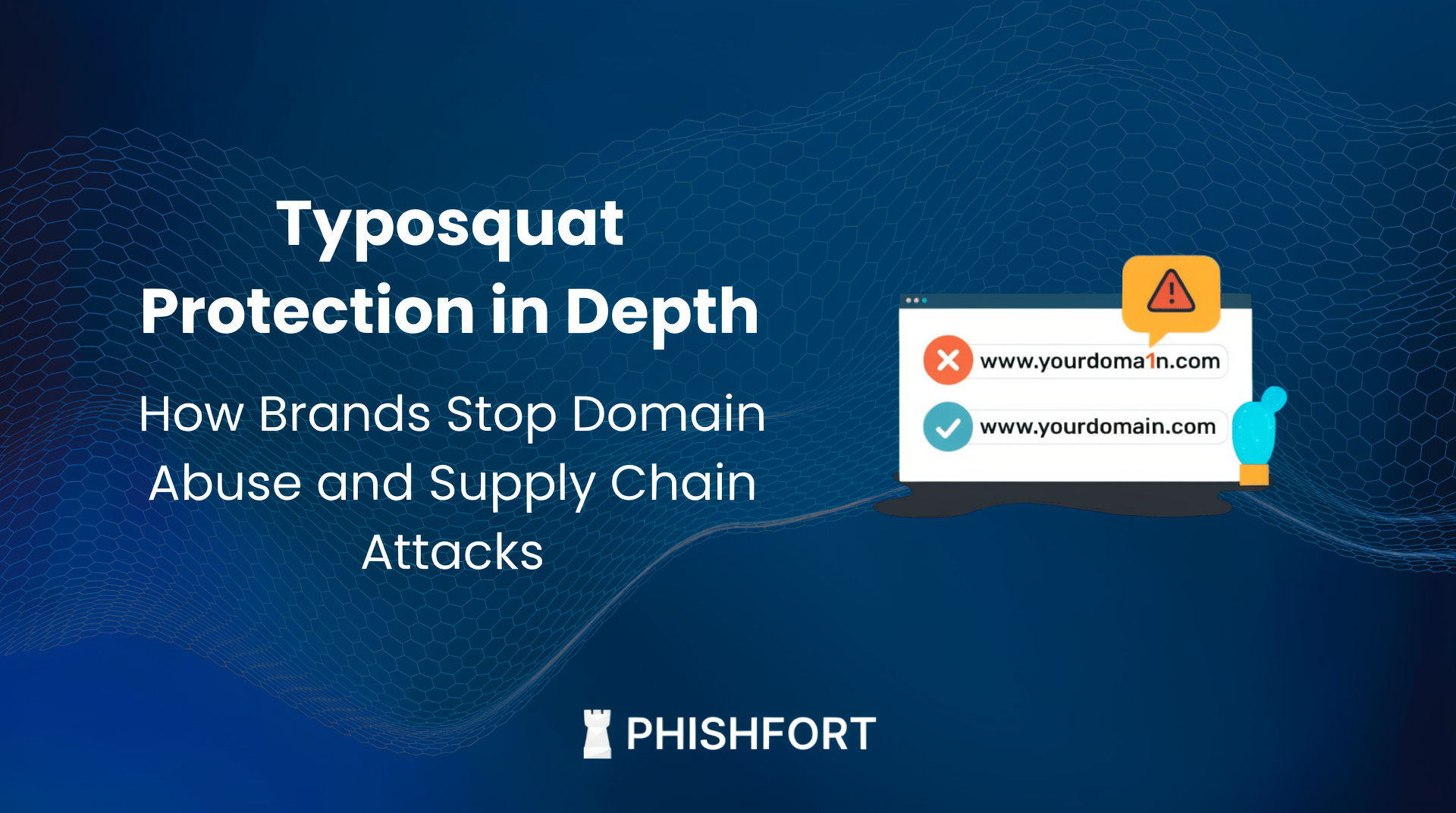
Typosquat protection helps brands detect lookalike domains and prevent phishing. Discover how Typosquat Protection Explained can safeguard your organization.
Read more: Typosquat Protection in Depth: How Brands Stop Domain Abuse and Supply Chain Attacks
Social media takedown services help brands detect and remove scams, impersonation, and fraud across social platforms before users are impacted.
Read more: Social Media Takedown Guide: How to Remove Fake Accounts Fast
A fake social media profile can be used for scams, impersonation, and fraud. Learn how these profiles work and why they are a growing threat.
Read more: Fake Social Media Profile Risks: How Brands and Users Get Impersonated
Fake domain threats are rising fast. Learn how fake domains are created, detected, and removed using modern DRPS tools.
Read more: Fake Domain Exposed: 7 Critical Risks Brands Can't Ignore
DRPS tools help organizations detect, monitor, and remove online threats in real time. Learn how modern DRPS tools protect brands, users, and digital assets.
Read more: DRPS Tools Explained: 7 Powerful Ways to Stop Digital Threats Fast
Learn how executive impersonation scams work, why executives are targeted, and how executive monitoring helps detect and stop impersonation early.
Read more: Executive Impersonation Attacks: How CEO Fraud and Lookalike Domains Work
How a phishing takedown works: confirm the threat, collect evidence, report to the right registrar or host, follow up and monitor. Plus why takedowns stall.
Read more: Phishing Takedown Process Explained
Modern Phishing Techniques explained through 8 examples, including clone phishing, social media scams, extension attacks, and website detection strategies to help you spot and stop threats.
Read more: 8 Ways Attackers Use Modern Phishing Techniques — And How to Detect Them
Domain takedowns depend on what the domain is doing. See which route works for squatting, look-alike sites, phishing and copyright misuse, and why registrars reject requests.
Read more: Domain Takedown: Which Route Works and Why Requests Fail
PhishFort's Dark Web Monitoring detects leaked credentials and hidden risks. Prevent data breaches before they escalate.
Read more: See in the Dark: Announcing PhishFort's Dark Web Monitoring
This guide will walk you through what a DMCA takedown process consists of, why it’s important to organizations, and how to begin the process.
Read more: The Ultimate Guide to DMCA Takedown Requests
When security leaders and brand managers speak about "digital risk", they are referring to different things between DRPS vs brand protection
Read more: DRPS vs Brand Protection: A Simple Guide
Protect your business from fraud and cyber threats with brand abuse detection and online brand protection solutions that safeguard your reputation online.
Read more: Online Brand Protection: 7 Powerful Ways to Prevent Impersonation, Fraud, and Cyber Threats
Learn 7 essential strategies for online brand protection including AI-powered detection, swift takedowns, and comprehensive brand abuse scanning across all digital channels.
Read more: Brand Abuse Detection: How to Prevent Impersonation, Fraud, and Cyber Threats
Learn how phishing detection tools can protect your business from evolving cyber threats. Learn about common phishing tactics, the impact on brand trust, and how robust solutions like PhishFort ensure proactive defense and end-to-end protection in modern cybersecurity.
Read more: Phishing Detection Tools: Essential Solutions for Modern Cybersecurity
Discover top strategies for brand protection to stop phishing and scams. Learn what is brand protection to secure your online presence effectively.
Read more: Online Brand Protection Strategies | Why Inhouse Brand Protection Solutions Struggle
Learn why managing brand protection internally has become increasingly challenging and how organizations can defend against sophisticated global impersonation attacks.
Read more: Brand Impersonation in the Digital Age: Why In-House Efforts Need Support
Discover top strategies for effective online brand protection and learn how our Brand Protection Service can help prevent phishing scams.
Read more: Brand Protection Service: Top Strategies for Effective Online Brand Protection
How social media phishing works, the most common attack methods brands and users face, and practical steps to detect and stop it before it spreads.
Read more: Social Media Phishing: 7 Common Attack Methods and How to Stop Them
Twitter's 'Cards' feature vulnerability opens doors for dangerous phishing attacks, highlighting the risks of social media attacks.
Read more: Twitter Phishing Exploits | Deceptive Previews Explained
PhishFort strengthens security to safeguard users and businesses on Discord from fraud, particularly against discord spamming tactics.
Read more: Discord Spam Reporting | New Features to Combat Fraud
PhishFort launches a DeFi anti-phishing service to protect crypto users from scams via Google Ads, social media, fake apps and phishing sites.
Read more: PhishFort Launches DeFi Anti-Phishing Service
Learn what the DMCA is, how it protects your digital content, and how DMCA takedown services can help you remove infringing material quickly and legally.
Read more: What Is the DMCA? Copyright Law Explained
Learn what is the goal of most social media based attacks and why cyber attackers commonly use social engineering attacks to trick users, steal credentials, and damage brands online.
Read more: 7 Reasons Why Cyber Attackers Commonly Use Social Engineering Attacks on Social Media
Learn the difference between trademark and copyright, why both matter, and how to protect your brand and creative work online with PhishFort’s brand protection solutions.
Read more: Difference Between Trademark And Copyright: How to Keep Your Copyright and Trademark Safe from Copycats
Can a hardware wallet get phished? Learn how phishing kits target Trezor and Ledger users, how these scams work, and how to protect your crypto with PhishFort's tools and train
Read more: Can a Hardware Wallet Get Phished?
Learn how to spot phishing attacks in crypto and protect your digital assets. Discover real examples and expert tips to keep your crypto safe.
Read more: Phishing Attacks: 10 Powerful Ways to Spot them in Crypto -and Stay Safe Online
Spot and prevent crypto phishing scams — stay ahead of cybercriminals with expert security advice.
Read more: Spot Crypto Phishing Attacks | Essential Security Tips
We're excited to release the latest addition to our family of anti-phishing tools for the cryptocurrency industry.
Read more: Report Phishing Scams Faster with Telegram